
Rising Dollar, Rising Pressure: The Hidden Cost of a Weakening Shilling


Since late February 2026, the U.S. and Israel have carried out coordinated strikes on Iranian targets, triggering retaliatory missile and drone attacks across the region and raising fears of a wider war. As tensions rise, global markets react quickly, especially oil and currency markets creating a ripple effect that reaches economies far beyond the Middle East.
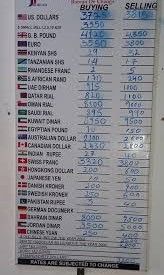 In Uganda, the demand for dollars remains high as importers source fuel, machinery, and everyday goods from abroad, while inflows of foreign currency don’t always keep pace. One of the biggest immediate impacts of the war has been on oil prices, which have surged past $100 per barrel due to fears of disrupted supply routes like the Strait of Hormuz. When fuel prices rise globally, countries like Uganda, which rely heavily on imports, are hit hard. Importers now need even more dollars to pay for fuel, goods, and raw materials, increasing demand for the currency. At the same time, global uncertainty pushes investors toward the U.S. dollar as a “safe haven,” making it even stronger. This double pressure is what is driving the exchange rate upward, pushing it beyond UGX 3,700 and creating fears it could edge toward UGX 4,000 by the coming week.
For ordinary Ugandans, the effects are already becoming visible. Rising fuel costs translate into higher transport fares, while the price of essential goods like food and household items continues to climb. Businesses facing increased import and operating costs are left with little choice but to raise prices, passing the burden onto consumers. What may seem like a distant geopolitical conflict is, in reality, quietly reshaping daily life, proving that in today’s interconnected world, a war thousands of kilometers away can still hit close to home through the cost of living.